
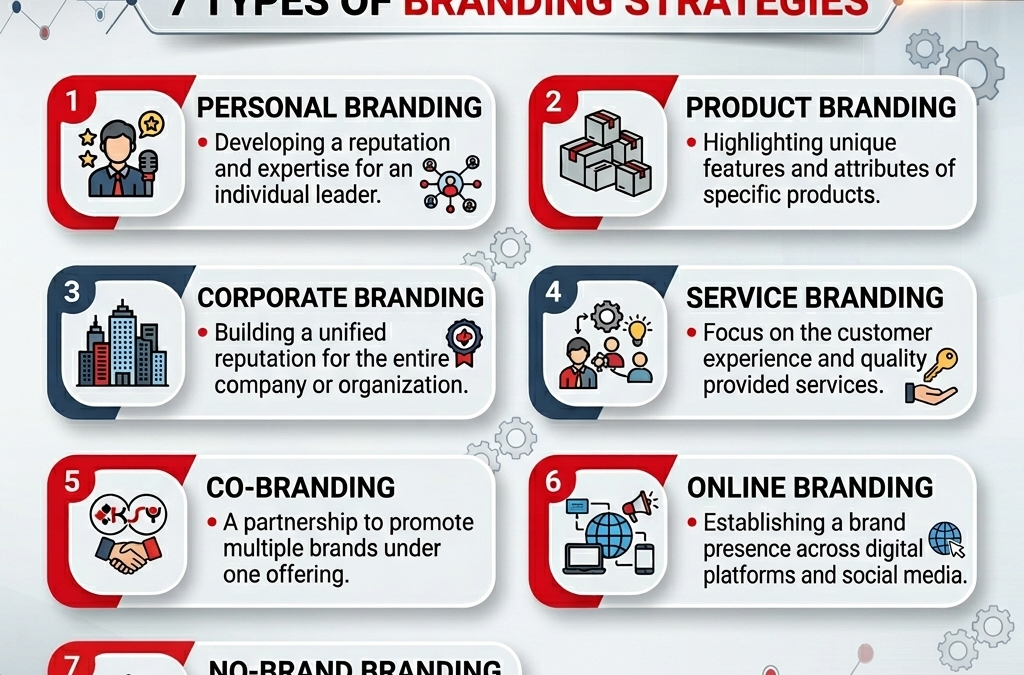
There are several types of branding that can add significant value to your company, depending on factors such as your target audience, industry, budget, and marketing approach. Below are seven proven branding strategies that have the potential to strengthen your brand equity and drive long-term business growth.
Personal Branding
Personal branding describes branding that is used for an individual person, instead of branding for a whole business. This type of branding is often used to establish a person’s character, personality, or work as a brand.
Celebrities, politicians, thought leaders, and athletes often use this form of branding to present the best version of themselves to the public.
For example, Seth Godin, entrepreneur and author of over 20 marketing books, positioned himself as a business and marketing expert. Seth has a recognizable personal brand, and individuals now associate him with his short blog posts that pinpoint one idea at a time. People want to hear from Seth Godin rather than a company or organization due to the effectiveness of his personal brand.
Product Branding
This is one of the most popular branding types. Product branding focuses on making a single product distinct and recognizable. Symbols or designs are an essential part of product branding to help your customers identify your product easily.
For example, Monster Energy drinks have distinct packaging and logos that make it easily distinguishable from Red Bull energy drinks.
Corporate Branding
Corporate branding is a core value of business and a philosophy that a business develops to present itself to the world and its own employees.
Effective corporate brands often seek to display the company’s mission, personality, and core values in each point of contact it has with prospective customers, current customers, and past customers.
For example, Nike’s core values and mission are recognizable across all of their platforms and products. Nike’s mission statement is “To bring inspiration and innovation to every athlete in the world.” And its slogan, next to their famous swoosh check mark logo, is “Just do it”.
As a corporate brand, Nike positions themselves as a brand for athletes, sports enthusiasts, and anyone who is passionate about fitness. They also make it clear that they believe anyone can be an athlete.
Service Branding
Service branding leverages the needs of the customer. Companies that use service branding seek to provide their customers with world-class service. They aim to use excellent customer service as a way to provide value to their customers.
Co-Branding
Co-branding is a form of branding that connects companies together. Essentially, co-branding is a marketing partnership between two or more businesses. This helps brands impact each other positively, and it may result in one growing its business, spreading brand awareness, and breaking into new markets.
For example, Frito Lay and Taco Bell came together and made the Doritos Locos Taco that appealed to both audiences.
Online Branding
Online branding, also known as internet branding, helps businesses to position themselves as a part of the online marketplace. This type of branding includes a company’s website, social media platforms, blogs, and other online content.
Most companies use some aspect of online or internet branding in today’s marketplace.
No-Brand Branding
This type of branding is also known as minimalist branding. These brands are often generic brands that seek to let their products speak for themselves without all the extras many others provide their consumers with.
Some of the most noteworthy no-branding branding examples include Brandless and m/f people. As you can see on Brandless’ website, their packaging, colors, and overall aesthetic is very simple. This aligns with their mission of providing fairly priced food to people without a typical brand.
Despite the fact that Brandless recently announced its closure, it is an excellent example of no-brand branding that saw great success for several years.
m/f people adopts simplicity in everything, from their branding and packaging to their product designs. For example, their skincare products are packaged in bottles with black and white colors and a simple font.
This decision to opt for simplicity aligns with their commitment to making gender-neutral products and pursuing their overall mission: “We aim to make life simple, so you can focus on what matters most.” They don’t need loud colors and flashy font. They want minimalistic appeal.
