
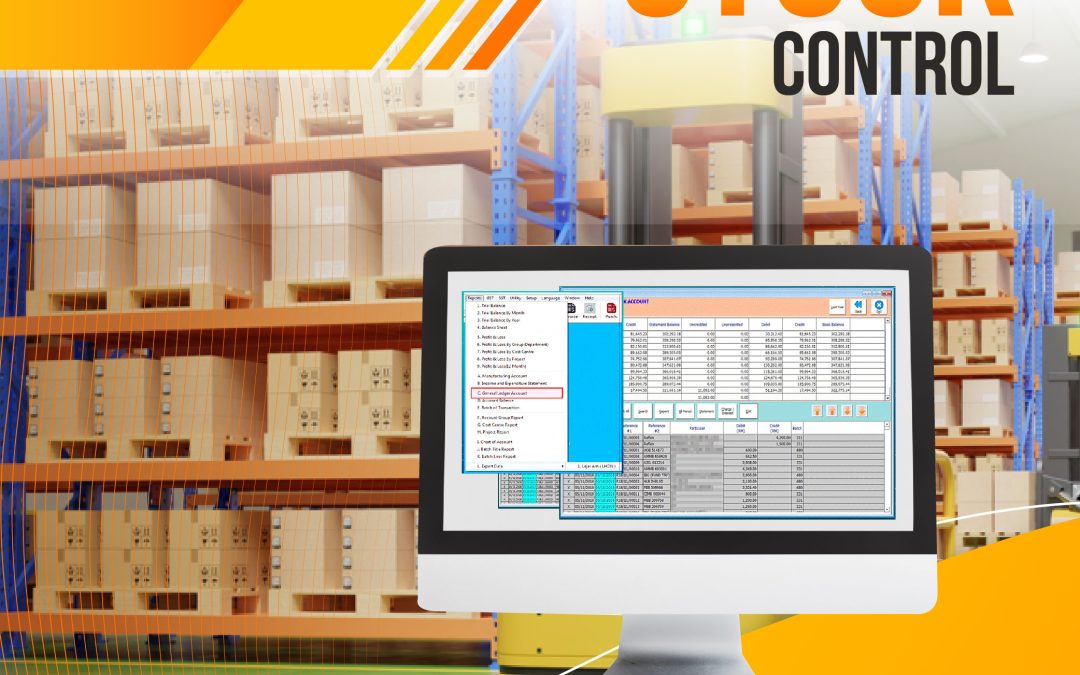
In today’s competitive business environment, effective stock control is not just an operational task, it is a strategic necessity. Whether you are running a retail store, a printing business, or a large-scale distribution company, how you manage your inventory directly impacts your profitability, customer satisfaction, and long-term sustainability.
What is Stock Control?
Stock control, also known as inventory management, refers to the process of tracking, managing, and optimizing the flow of goods in and out of a business. It ensures that the right products are available at the right time, in the right quantity, and at the right cost.
This includes monitoring stock levels, forecasting demand, managing suppliers, and minimizing wastage or overstocking.
Why Stock Matters for Business
- Ensures Smooth Operations
Proper stock control prevents disruptions in daily business operations. Running out of essential items can lead to lost sales, delayed services, and dissatisfied customers. On the other hand, having the right stock ensures that your business runs efficiently without unnecessary interruptions.
- Improves Cash Flow Management
Inventory ties up a significant portion of business capital. Overstocking means money is sitting idle on shelves instead of being used for growth opportunities. Effective stock control helps maintain optimal inventory levels, freeing up cash flow for other business needs.
- Enhances Customer Satisfaction
Customers expect products to be available when they need them. Consistent stock availability builds trust and reliability. Poor stock management, such as frequent out-of-stock situations, can drive customers to competitors.
- Reduces Waste and Loss
Without proper monitoring, businesses risk product damage, expiration, or theft. This is especially critical for industries dealing with perishable or fast-moving goods. Good stock control minimizes these risks and improves overall efficiency.
- Supports Better Decision Making
Accurate inventory data provides valuable insights into sales trends, fast-moving products, and seasonal demand. This allows business owners to make informed decisions regarding purchasing, pricing, and promotions.
- Prevents Overstocking and Understocking
Balancing inventory levels is crucial. Overstocking leads to higher storage costs and potential obsolescence, while understocking results in missed sales opportunities. A well-managed system helps maintain the right balance.
- Strengthens Supplier Relationships
When stock is properly managed, businesses can plan orders more effectively and communicate clearly with suppliers. This leads to better negotiation, timely deliveries, and stronger partnerships.
Key Elements of Effective Stock Control
- Stock Tracking System (manual or digital)
- Regular Stock Audits
- Demand Forecasting
- Reorder Point Planning
- Inventory Categorization (e.g., fast-moving vs slow-moving items)
Final Thoughts
Stock control is more than just counting products—it is about controlling costs, maximizing efficiency, and delivering value to customers. Businesses that prioritize effective inventory management are better positioned to grow, adapt, and stay competitive in the market.
No matter the size of your business, investing time and resources into proper stock control will always yield long-term benefits.
If you are running a retail or printing business, improving your stock control system could be one of the most impactful steps you take toward increasing profitability and operational excellence.
Ready to Elevate and Improve Your Stock Management?
At CKSY Management Specialist, we empower your business with the right strategies to optimize inventory, increase efficiency, and drive sustainable growth.
